
The Estate Advantage
Ted W. Hall is a vintner and rancher who owns Long Meadow Ranch, a group of companies based in Northern California that grow grapes, make wine, and farm olives, grass-fed beef and lamb, and fruits and vegetables, farming 2,500 acres in Napa, Marin, Mendocino, and Humboldt counties. It also runs Farmstead restaurant in St. Helena.
Hall has been in the wine industry 50 years, known for previously serving as chairman of the board for the Robert Mondavi Corporation during its sale to Constellation Brands. His background includes roles as a senior partner of global consulting firm McKinsey & Company, and as a director for Peet’s Coffee & Tea, Inc. and Williams-Sonoma, Inc.
His background is important to know if you care to read one of his frequent wine-business missives on Substack, where he has been analyzing the troubles and travails of the wine industry, particularly as they pertain to the Napa Valley.
But while Hall deep dives into the specifics of tourism, production, and winery tasting room economics on that side of the Mayacamas, there are lessons to be learned for any wine region. In particular was a comment he made in a recent Substack called “They Came Back,” which has relevance for Sonoma County.
In talking about how visitor numbers in Napa are as high as ever yet how those visitors spend their day in the region has changed (the gist of which is they are making fewer winery visits per day and there are many other options beyond wineries), negatively affecting most winery bottom lines, Hall made this point about estate tasting rooms versus urban tasting rooms:
“The estate advantage is place,” he writes, “(But) if the same tasting could be conducted in a hotel conference room, the winery has given up much of the reason for asking the visitor to drive there.”
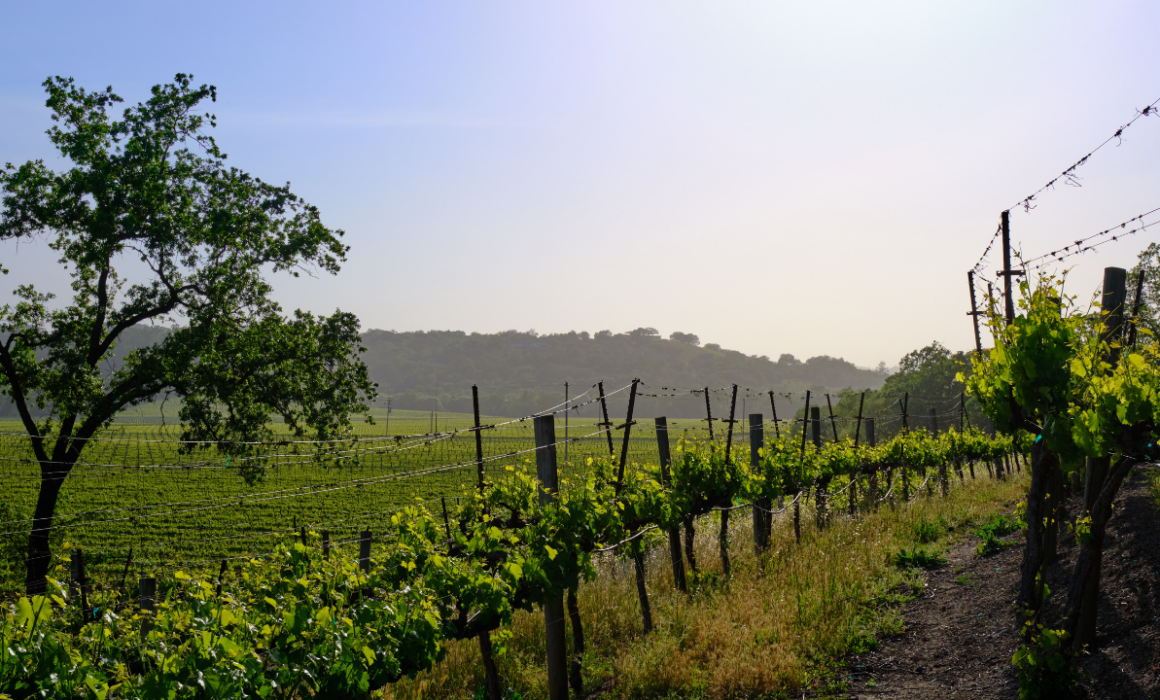
Absolutely. In other words, if you have an estate that welcomes visitors, maximize that estate. Let people see and experience the vineyard, the farm animals, the dogs, the old tractors, the orchards, the vegetable garden, the family photos, the barn (or cellar) cats, a kitchen table, whatever it is that makes your place yours. Make it comfortable, make it fun, give visitors a chance to relax, maybe have some food, listen to music, not just listen to a lecture.
I can recall many visits of my own where tastings took place in darkened cellar rooms or nondescript ante rooms. Maybe it was easier for serving the wines, but I always wondered if we could be nearer to the vineyards. Isn’t nature what most of us are missing in our lives more than an ante room?
Many visitors don’t want to see tanks or barrels, either, unless good stories go with a cellar tour.
But a view of the fog coming in or out over the hills is special to many places in Sonoma County and may be particularly true of your spot. Or a view of the Mayacamas, of redwood groves, the Pacific Ocean, or Mount St. Helena.
At a minimum create visuals to bring the outside in – detailed maps, vineyard photos or videos, something that gives a visitor your sense of place. Sonoma County has so much natural beauty, it shouldn’t be hard.
After all, no one comes to wine country to feel they’re in a hotel conference room.
